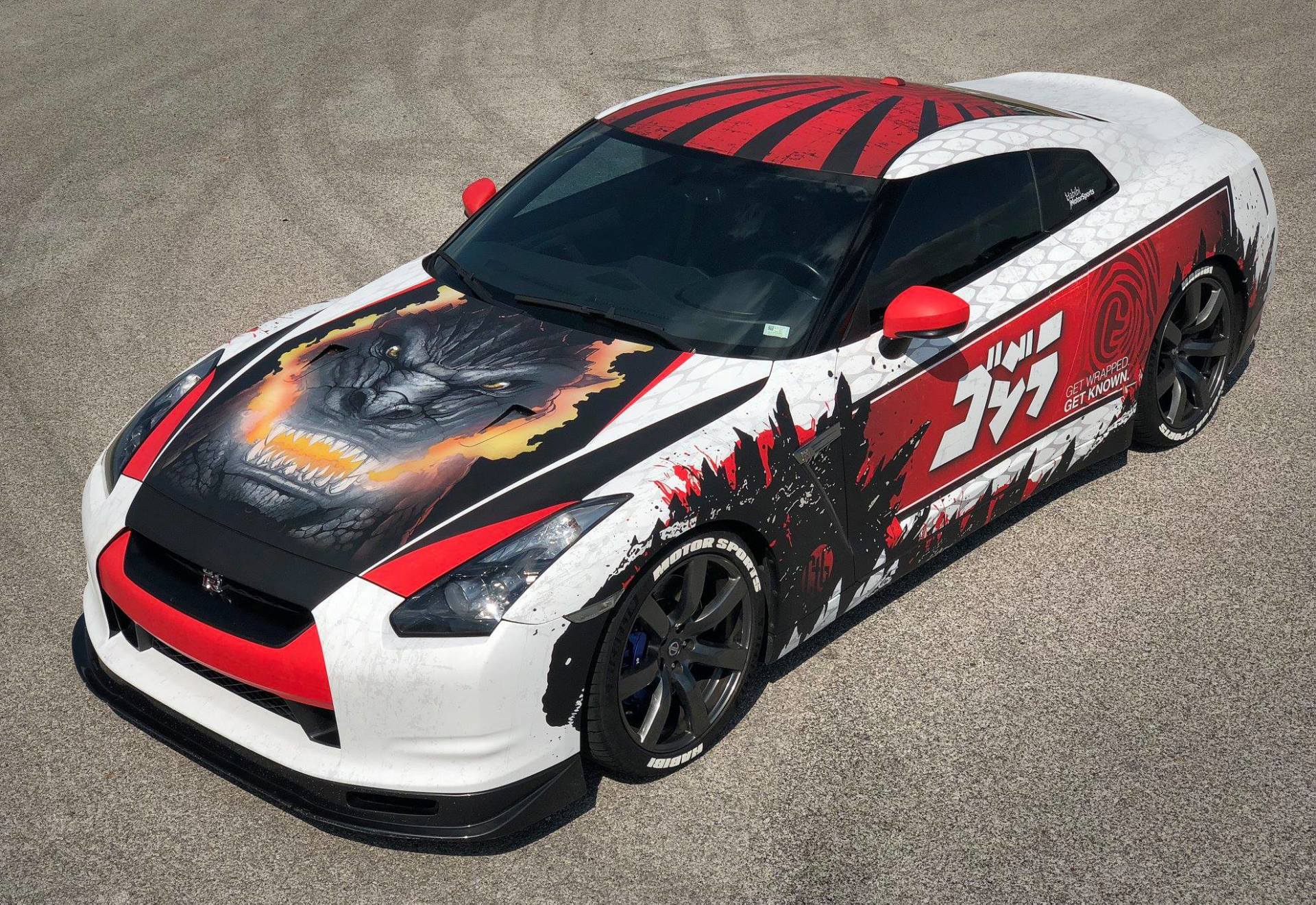

Most customers arrive with pictures saved on their phone and a budget in mind, but they are not sure how far to go. The choice is usually full wrap, partial wrap, or stripes and accents. Each route can look sharp and deliver value when matched to the goals of the driver or the brand. The smart decision weighs coverage, cost, surface geometry, and how long the finish needs to last. This guide breaks down full vs partial wrap and where accent stripes fit so you can recommend with confidence.
What a full wrap actually delivers
A full wrap covers every painted exterior panel that is practical to wrap. The goal is a total color change or a printed design that reads as factory level from a few steps away. Done well, a full wrap sits tight at edges, hides seams in natural body lines, and looks like paint until someone touches it.
Visual impact and creative freedom
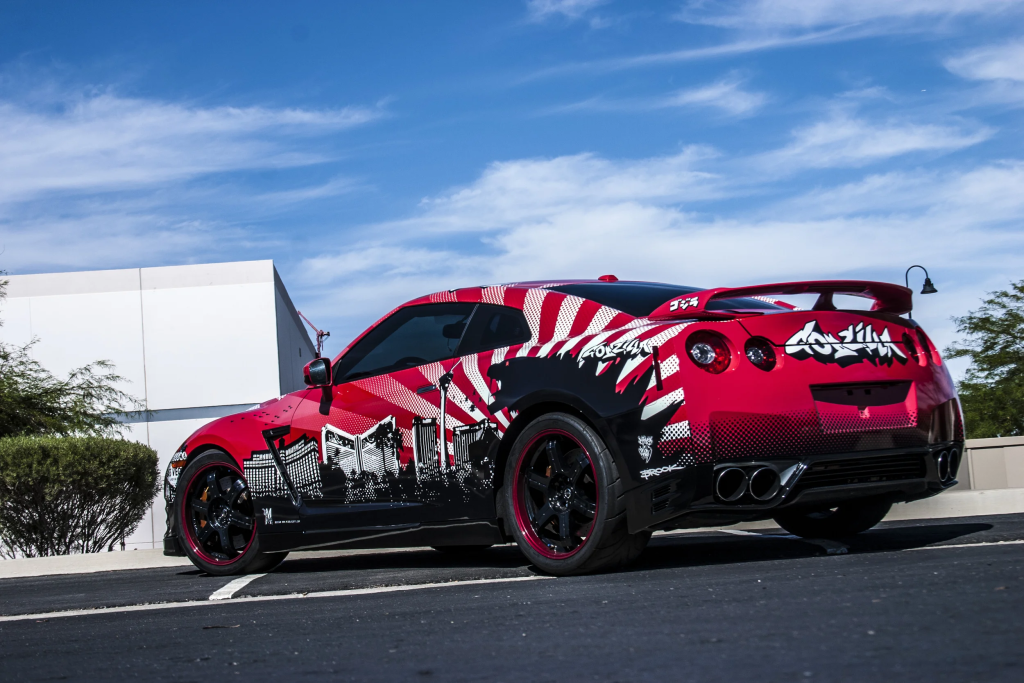
Full coverage unlocks designs that cannot be achieved with paint without major cost. Satin and matte finishes mute reflections. Brushed textures add depth that paint cannot mimic. Printed patterns can route artwork across doors and quarters without awkward breaks. If the vision is to transform the car, the full wrap is the cleanest path.
Surface protection and resale
A full wrap is a sacrificial skin. It shields clear coat from wash marring, bird droppings, light scuffs, and sun fade. When removed by a trained installer, healthy factory paint is revealed with less wear than an unwrapped car of the same age. Owners who lease or plan to sell later often appreciate this angle.
Cost, time, and complexity
Full wraps cost more because material use and labor hours rise fast on bumpers, mirrors, and tight radii. Complex panels require inlays, planned seams, and careful post heat. Shops need a clean bay, strong lighting, and patient hands. For clients who want top shelf results and long service life, the added investment makes sense.
When a partial wrap makes more sense
A partial wrap uses strategic coverage to deliver strong effect for less money. Think hoods and roofs, door panels with bold branding, or lower halves that carry a color block. The top of the car can stay original while the midsection carries the story.
Targeted coverage and return on investment
For small businesses, partial coverage often wins on cost per lead. You spend on the square footage that passes eyes in traffic. Door panels, quarters, and tailgates are prime real estate. A clean layout with large type can outperform a busy full wrap because the message is legible at speed.
Design strategies that avoid the “stickered” look
A good partial wrap uses the body lines to frame graphics so the design feels intentional. Color blocking that echoes the window line or the rocker shape looks bespoke. Soft edge fades can soften transitions. On color change projects, pairing a wrapped roof with mirror caps and a rear panel creates a factory special vibe without covering every panel.
Installer considerations
Partial coverage demands precise edges that align with badges, handles, and shut lines. Where the film ends on exposed perimeters, edge prep and post heat matter more, since wind and wash hit the edge directly. A polymeric calendared film can be fine on flat panels, while complex areas still call for cast.
Stripes, accents, and small changes with big effect
Stripes and accents are the surgical option. They turn a plain car into something personal without touching every surface. The toolbox includes racing stripes, hood spears, roof wrap in gloss black, chrome delete, and small color pops on mirrors or spoilers.
Where stripes shine
On sports models, a tasteful pair of stripes that track the hood and roof telegraph heritage without shouting. On daily drivers, a gloss black roof visually lowers the car and pairs well with factory glass. A satin blackout of chrome trims modernizes an older design and photographs well for listings later.
Maintenance and durability
Accents are easier to maintain because the film is not forced into deep recesses. Edges still need proper cleaning and post heat. Customers should be told to wash with a pH neutral soap, avoid automatic brushes, and dry with soft towels. With those habits, stripes and accents hold up for years.
Durability and film choice across the three options
Film selection sets the limit on what is possible. For deep curves, rivets, and bumper recesses, cast vinyl is the right call. It stretches without building stress, then locks down after post heat. For flat or gently curved panels on partial wraps or stripes, a high quality polymeric calendared film can lower cost without risking early shrink.
Printed versus color change
Printed wraps carry gradients, photos, and patterns. They need correct lamination and planned seams to keep artwork aligned. Color change films arrive with the finish baked in, whether gloss, satin, or textured. They look most paint like and keep maintenance simple. If the design is mostly solid color with subtle contrast, color change is cleaner. If the plan needs imagery or complex patterns, go printed.
Edge strategy and seams
On full wraps, hide seams inside door shuts, under window trims, or along natural character lines. On partials, use knifeless tape to create perfectly parallel edges that match body lines. On stripes, set spacing with a consistent gap from the centerline or panel edge so the eye reads the layout as intentional.
Budgeting and honest cost comparison
A fair cost comparison looks at square footage, labor hours, and the risk of rework. Full wraps demand the most film and the most labor. Partial wraps reduce both. Stripes and accents cut material to the minimum and usually take a fraction of the time. If a client is price sensitive, show two or three options at different coverage levels that meet the same design goal. Many customers choose the middle option because it balances presence and spend.
Material usage in simple terms
As a rough idea, a compact hatch may need 50 to 60 linear feet of film for a full wrap. A mid size SUV can push 70 to 80 feet. A partial with doors and quarters may land near 25 to 35 feet. A roof wrap might use 8 to 12 feet, and a stripe kit even less. These are planning numbers that will shift with design and waste factor, but they help a buyer understand the logic.
Labor time that clients accept
Explain tasks in plain language. Cleaning and decontamination, badge removal, panel alignment, main install, post heat, and quality checks all take time. On a full wrap, two installers may spend a day and a half or more depending on complexity. Partials and accents compress that schedule. When you share the steps, the price feels earned.
Use cases to guide the decision
A full color change suits the enthusiast who wants a new look without paint or the brand that needs unified fleet identity. A partial wrap is ideal for trades, delivery services, and startups that need readable branding on doors and quarters now and may add more coverage later. Stripes and accents work for personal style, dealership packages, and quick turn promos where speed and cost are key.
A conversation framework that works
Start with goals. Ask if the priority is attention, resale, protection, or a mix. Talk about geometry. Bumpers with deep recesses may steer the choice toward cast films or toward layouts that avoid forcing film into tight wells. Confirm lifespan. If the client plans to keep the look for several years, select materials that can deliver that window. Align budget to the chosen route and be transparent about trade offs.
Decision checklist you can use today
If the client wants a transformed look with maximum presence, recommend a full wrap in a durable color change film. If the client wants standout branding with smart spend, design a partial that frames the message on doors and quarters and consider a high quality polymeric calendared film on flat areas. If the client wants a quick style lift or a dealer friendly upgrade, propose stripes, a roof wrap, and a chrome delete package. In every case, show a simple mockup so the buyer can picture the finish before you schedule the bay.
Final takeaway
There is no single best answer to the question of full vs partial wrap or whether stripes are enough. The best choice matches coverage and film to the vehicle, the message, and the lifespan the owner expects. When you frame the decision with clear pros and cons, clients choose confidently, installs go smoother, and the finished car tells the story it was meant to tell.