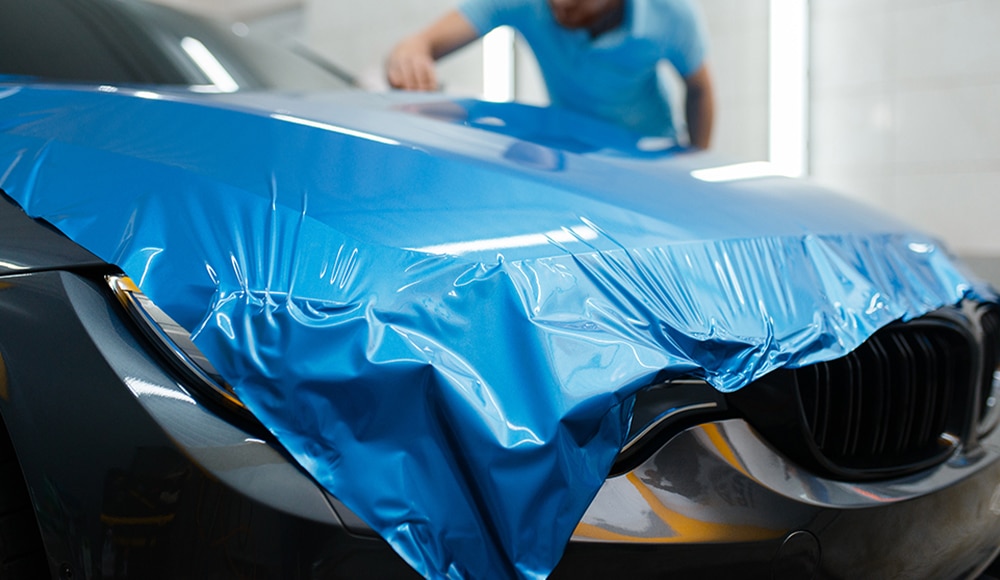

Tools decide how film touches paint. The right wrap squeegee with a clean felt buffer lays panels fast without scratches. The wrong edge drags, creates silvering, and leaves micro marks that show in bright light. This guide explains tool types, where they shine, and how to use pressure and glide solution so seams stay crisp and faces stay calm.
Why tool choice matters
Vinyl wants steady pressure, clean edges, and gentle glide. A good tool transfers force evenly and leaves no trace. A poor tool concentrates force on a small point and scuffs the face. Once you understand flex, edge shape, and surface material, you can match the tool to the film and the panel instead of forcing one squeegee to do every job.
Anatomy of a wrap squeegee
A wrap squeegee is a small blade with a body that fits the hand and an edge that moves air. Three properties guide your choice.
Flex rating
Soft blades conform to curves and spread pressure over a wide area. They excel on laminated prints and delicate finishes that scuff easily. Medium blades are everyday choices for doors, hoods, and roof panels. Stiff blades transfer force precisely along edges, which helps when seating film near trim or badges.
Edge shape
A square edge pushes air efficiently across flats. A slightly beveled edge glides better on textured films and reduces chatter on matte faces. Rounded corners prevent lines in the pass and help the tool pivot in tight areas.
Size and grip
Standard width fits most panels. Mini squeegees reach behind handles and into tight recesses. A rubberized grip prevents slipping when hands are damp. If your hands tire, a small finger squeegee relieves strain during long days.
Felt buffers and what they change
A felt buffer covers the working edge so the plastic body never touches the film. The quality of that felt decides whether you glide or scratch.
Felt materials
Microfiber felts glide smoothly on gloss and satin films. Suede felts reduce friction on soft laminates that mark easily. Wool blend felts add a little bite when you need to push stubborn air without marring the face. PTFE backed felts resist adhesive buildup and last longer during heavy use.
When to run bare
On protective liner faces or during initial tack on hidden edges, a bare plastic edge can be acceptable. For visible faces, always use a clean felt buffer. If you see haze under a light after a test pass, the felt is either dirty or the wrong material for that film.
Felt management
Felts are consumables. Replace at the first sign of grit or fraying. Store new felts in a covered container, not loose in a pocket. A single grain of shop dust trapped in felt can scratch a panel from mirror to tail light.
Hard cards and teflon cards
Hard cards are small, stiff tools that focus pressure into tight spaces. A teflon card is a low friction variant that slides with less drag.
Where hard cards shine
Seat film at trim edges, press vinyl into narrow badges, and work around rivets and corrugations. Add a tiny felt strip to one side when you must touch a visible face. Keep the clean edge for protected areas and the felted edge for exposed faces.
Why teflon matters
PTFE cards glide across laminates and matte films with less pressure. They reduce heat buildup and prevent the squeak that signals friction. They are ideal near knifeless lines where you need precision without dragging the carrier.
Glide solution and when to use it
A light spritz of glide solution on the film face helps the squeegee move without sticking. Mix a small amount of a wrap-safe slip concentrate in filtered water per maker guidance. Do not soak edges or flood seams. The purpose is to reduce chatter on the face, not to float the adhesive. Wipe any overspray from bare paint before you lay the panel so moisture does not wick under edges during heat.

Pressure technique that installers trust
Pressure is not strength. It is control. Use firm, even passes that overlap by one third. Push air toward a planned escape path, not into corners. Keep the blade angle shallow so the squeegee rides on the felt rather than the plastic body. If the tool chatters, either the surface is too cool, the felt is dirty, or you are pushing too steeply.
Stroke patterns for flats
Start in the center of the panel. Work in smooth arcs toward the edges. Alternate direction so hidden air does not trap in the middle. Lift and reset if you feel resistance rather than forcing a long drag.
Corners and returns
Reduce pressure near corners until the film is warm and relaxed. Use a smaller squeegee with a fresh felt to seat the last few millimeters toward the edge. Follow with a light warm pass to help adhesive wet out.
Matching tools to films
Different films ask for different edges.
Color change cast films
Use a medium flex squeegee with a microfiber or suede felt. The face is the final finish, so protect it. A teflon card helps near seams to avoid micro scuffs.
Printed vinyl with laminate
Laminates show scratches quickly. Use soft to medium squeegees with suede felts and keep the face lightly misted. Replace felts more often to avoid haze.
Textured films
Brushed and carbon textures like a bevelled edge and steady glide. Too much pressure collapses texture. A medium squeegee with a clean felt lays the face while preserving pattern.
PPF and thicker films
PPF tools are separate for a reason. Use soft, flexible squeegees designed for urethane with rounded edges. A hard wrap card will chatter and can crease PPF. Keep the tool wet and strokes smooth.
Mini tools that solve small problems
A thumb-sized squeegee reaches behind door handles. A micro roller presses film into narrow recesses without kinking. A soft wheel tool glides over rivets and pushes air to the sides. Keep these in a small belt pouch so you do not leave the bay to fetch them during a tricky moment.
Cleanliness equals finish quality
Grit hides in pockets, on benches, and under fingernails. Wipe the squeegee face before each new panel. Blow off the felt with filtered air, then tap it on a clean towel. If a felt falls on the floor, retire it. Use separate towels for paint and jambs so silicone and dust never cross onto working tools.
Tool maintenance that pays for itself
Inspect edges daily. If a plastic edge shows nicks, dress it with a fine file and a Scotch-Brite pass, then reapply a new felt. Soak sticky adhesive residue from cards in a wrap-safe cleaner, not a harsh solvent that can harden plastic. Label squeegees by flex and purpose. A color dot system helps teams grab the right stiffness without reading small print during a busy install.

Common problems and fast fixes
Silvering under the face
Silvering is trapped air or micro texture mismatch. Increase overlap in your strokes, lower the blade angle, and use a softer felt. Warm the zone slightly and repass with calm pressure.
Chatter marks or squeak
Chatter means friction and a dry face. Lightly mist with glide solution, lower pressure, and consider a teflon card for that film. If the felt is old, replace it.
Edge micro lift
If edges spring after passes, your pressure is too light at the perimeter or the panel is too cool. Warm the edge, then use a stiff squeegee with a fresh felt to seat the last two millimeters toward the body line.
Face haze on matte
Haze comes from dirty felts or heavy pressure. Swap to a new suede felt, reduce pressure, and work in shorter strokes. If haze persists, the film may be too hot from nearby heat work.
A starter loadout that covers most jobs
Carry a soft, a medium, and a stiff wrap squeegee, each with new felts. Add two mini squeegees, one felted and one bare. Include a teflon card, a small soft wheel, a finger squeegee, a roll of clean felts, a bottle of glide solution, and a lint-free towel. With that kit, you can handle flats, curves, edges, and tight spaces without improvising.
Training the hand, not just the tool
Practice on a scrap hood. Tape a grid and challenge yourself to clear each square with zero trapped air. Switch squeegees between squares to feel how flex changes pressure. Film teaches quickly. After a few sessions, your wrist learns how much force seats adhesive without marring the face.
Team consistency and labeling
When multiple installers share tools, label blades and felts by type and purpose. Keep a small board in the bay that shows which squeegee and felt the shop uses for gloss color change, printed laminate, textured films, and PPF. Consistency prevents one installer from solving a problem while another quietly creates it.
The takeaway
Match flex to geometry, cover edges with clean felt, and let glide solution reduce friction rather than force. Use firm, overlapping strokes with a shallow blade angle, and switch to mini tools near tight features. Replace felts at the first hint of grit, keep cards clean, and choose teflon where drag appears. With the right wrap squeegee in the right place, pressure becomes smooth, faces stay clear, and panels seat the way they should on the first pass.