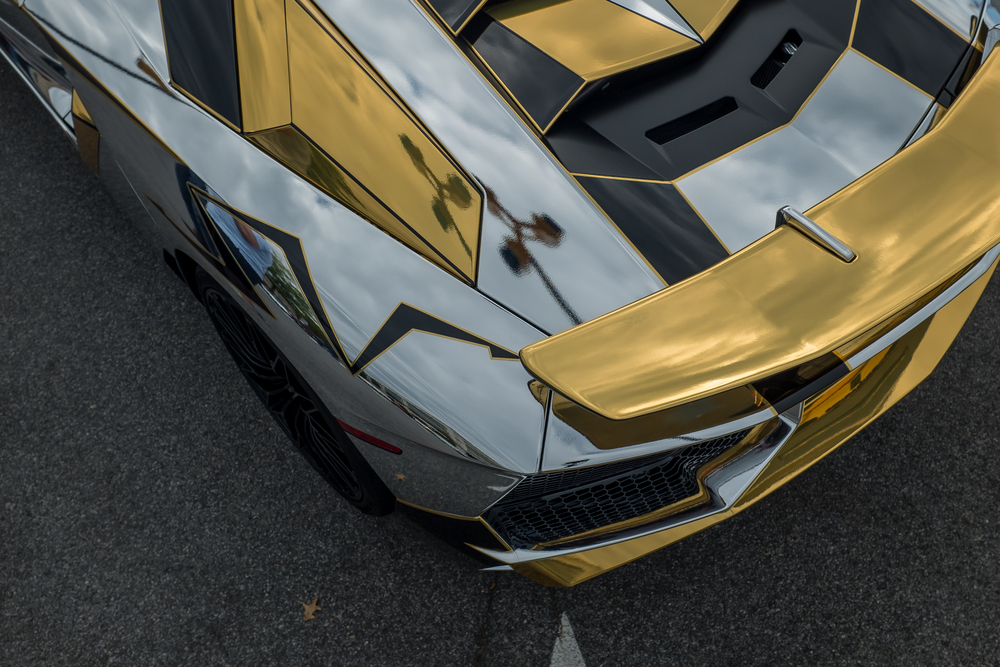

Installers talk about films the way chefs talk about knives. Each brand has a feel in the hand, a way it lays, and a personality when heat is involved. The three most common choices for color change work are 3M 2080, Avery Dennison SW900, and Orafol Oracal 970RA. All are premium cast vinyl families. All can deliver paint like results when used correctly. The differences show up in handling, adhesive behavior, liner and face construction, and how forgiving each film is on real body shapes.
What separates high end cast films
Premium cast films start life as liquid and are cast onto a liner rather than stretched to thickness. This gives them low internal stress, strong dimensional stability, and good conformability. From that common base, brands differentiate with adhesive systems that control initial tack and air release, liner tech that influences gloss, and face films tuned for specific finishes. The result is three families that solve the same problem in slightly different ways.
3M 2080 at a glance
3M 2080 is known for a confident face film and a liner that protects gloss during handling. It uses micro air release with a tack profile that feels deliberate. Many installers appreciate how edges seat once pressure is applied. 2080 often prefers calm, even heat and rewards patient, mapped paneling. The film is resilient under measured post heat, and the face resists light mar during controlled squeegee work with clean felts.
Where 2080 shines
Complex bumpers, mirror caps, and tight radii benefit from the film’s stability. If you set seams in natural body lines and avoid forcing single piece coverage into deep pockets, 2080 lays with authority and holds edges through seasons. High gloss variants stay glossy when you protect the face during install and keep felts clean. Satin and matte keep a consistent sheen if you avoid drag and heavy pressure.
Avery Dennison SW900 at a glance
Avery SW900 has a reputation for easy drape and low initial grab. The film feels forgiving on wide panels and allows gentle repositioning without fighting you. Its air egress structure clears micro air well when you use overlapping strokes. Many teams choose SW900 when speed matters on doors, quarters, and roofs, or when a design calls for large panels that need to float into place before you commit.
Where SW900 shines
Large, relatively open shapes are the sweet spot. The film’s soft hand helps it relax into curves with less heat. On busy days, this can reduce installer fatigue. Gloss variants look deep when felts are fresh and glide solution is used sparingly. Satin and matte finishes carry even texture as long as pressure stays light and consistent.
Oracal 970RA at a glance
Oracal 970RA feels crisp and precise. The face carries strong color accuracy and many installers like the body of the material on flat and gently curved panels. The RapidAir channeling releases air well when you keep the blade angle shallow and strokes deliberate. 970RA rewards steady hands and clear panel plans. It is particularly popular for solid color commercial work, roof wraps, and accents where sharp edges matter.
Where 970RA shines
Door skins, hoods, roofs, and partial wraps with clean geometry. The film cuts crisply, weeds cleanly for accents, and seats edges with a firm pass once the panel is calm. If you design seams for deep recesses rather than forcing stretch, 970RA looks sharp and stays planted.
Adhesive tech and what it means on the car
All three families use air release and repositionable pressure sensitive adhesives, but the feel differs.
- 3M 2080 tends to feel controlled. It resists accidental lock up yet grips decisively under firm pressure. This helps edges stay put in airflow once seated.
- SW900 often feels lighter on initial contact. It allows floating and small corrections before commitment, which is helpful on large panels and teams that prefer to set shape before pressure.
- 970RA feels precise with a predictable switch from slide to stick. When you plan escapes for air and use modest pressure, it clears channels cleanly and seats with confidence.
For installers, this means you match film to panel style. If the job needs lots of graceful repositioning, a lighter initial tack helps. If the job needs firm edge hold in wind and wash once down, a more decisive tack under pressure is comforting.
Finish quality and face protection
Liners influence gloss and texture. 3M 2080’s protective liner on gloss variants helps reduce handling marks during install. Avery and Oracal glosses look excellent when handled with care, clean felts, and light glide. Matte and satin look best when you avoid dry drag and keep pressure consistent to prevent burnishing. Textures like brushed or carbon from any brand demand steady heat and gentle shaping so the pattern does not distort on tight turns.
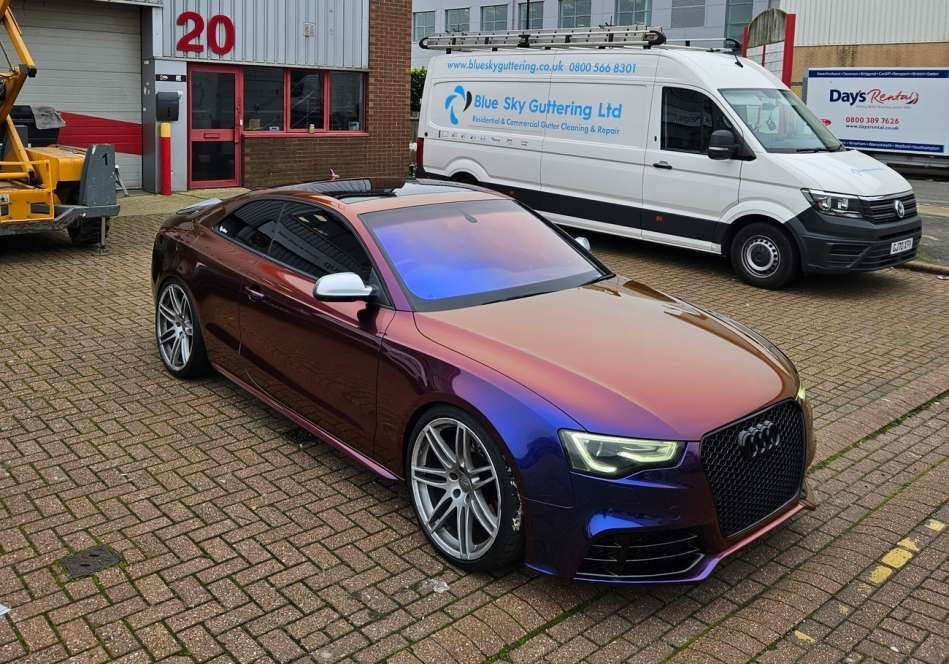
Conformability, stretch, and post heat behavior
Cast films allow moderate stretch, but none reward brute force. The rule across brands is the same. Design seams and inlays where geometry demands them. Stretch with intent after gentle heat. Post heat only where you stretched to reset memory. In practice:
- 3M 2080 accepts measured post heat well and keeps edges quiet when you focus on corners, tips, and deep returns.
- SW900’s forgiving drape reduces how far you need to push in the first place, and light post heat in stretched zones keeps shapes honest.
- 970RA prefers planned seams on sharp pockets. When you honor that, post heat serves as insurance rather than repair.
Installer feel on common panels
Bumpers and mirror caps
2080’s authority helps once the piece is mapped. SW900 relaxes nicely around compound curves with less heat, which can save minutes. 970RA looks crisp on bumper faces but generally prefers an inlay strategy for deep wells.
Doors, quarters, and roofs
SW900 moves quickly on wide panels. 970RA lays with a crisp face that reads very paint like on flats. 2080 is steady and forgiving of small contact errors as long as you keep felts clean and pressure even.
Accents and chrome delete
970RA’s body makes straight runs feel precise. SW900 and 2080 both work, but a stiffer feel can help keep narrow strips arrow straight. On tiny mouldings, any brand benefits from a high quality cast and careful post heat.
Special colors and textures
All three lines carry strong color libraries with gloss, satin, matte, and specialty textures. If a client wants a specific shade or a unique finish like forged carbon, the catalog may decide the brand. When the look is the driver, test small samples on a scrap panel under the shop lights. Subtle differences in metallic flake, depth, and hue can sway a decision more than handling feel.
Print compatibility for hybrid projects
Although 2080, SW900, and 970RA are color change families, many shops also run printed films for graphics. If a project mixes printed and solid panels, consider the handling style you prefer and mirror it with compatible printable lines from the same supplier. This keeps adhesive feel and post heat response similar across the vehicle so installers do not change habits panel to panel.
Cost, availability, and support
Pricing varies by region and finish. Availability at local distributors can decide what lands on your bench tomorrow morning. If your shop needs emergency rolls often, stock the brand that your supplier can replenish fast. Technical sheets and training support also matter. Clear post heat ranges, recommended install temperatures, and edge guidelines reduce guesswork on difficult shapes. When in doubt, run small tests on scrap panels and record the ranges that give you quiet edges.
Common mistakes and how to avoid them
- Forcing single piece coverage into aggressive bumper wells. Use inlays and hide seams in shadow lines regardless of brand.
- Dry dragging felt on matte or satin, which burnishes the face. Lightly mist the film face with a wrap safe glide and keep felts pristine.
- Overheating laminated faces on printed films. If you add printed accents, keep shaping heat moderate so laminate does not haze.
- Skipping post heat on stretched zones. Even films that feel stable will creep if memory is not reset.
Choosing the right film for the job
Ask three questions. What geometry are you facing. What finish and color does the client want. What handling feel does your team move fastest with. If the car has complex curves and you value firm edge hold, 2080 is a strong pick. If the car has broad panels and you want a film that floats until you commit, SW900 is appealing. If the layout favors flats, crisp lines, and sharp edges, 970RA delivers a paint like read that customers notice.
A sensible test before you decide
Cut three small test panels and apply them to the same door section. Warm, stretch a little around a handle relief, seat edges, and post heat the corners. Note how each film feels under the squeegee, how it clears air, and how edges settle after a few minutes. The film that lets your team work calmly and predictably is the right choice for your calendar, not just the one that reads best on a spec sheet.
The practical takeaway
3M 2080, Avery SW900, and Oracal 970RA are all capable of premium results. The difference is in feel, adhesive personality, and how each rewards certain habits. Match film to geometry, to the finish the client wants, and to the way your team likes to work. Design seams where shapes demand them, keep felts clean, use measured heat, and reset memory only where you stretched. Do those things and any of the three will read as paint from a step away and stay quiet through real weather and weekly washes.