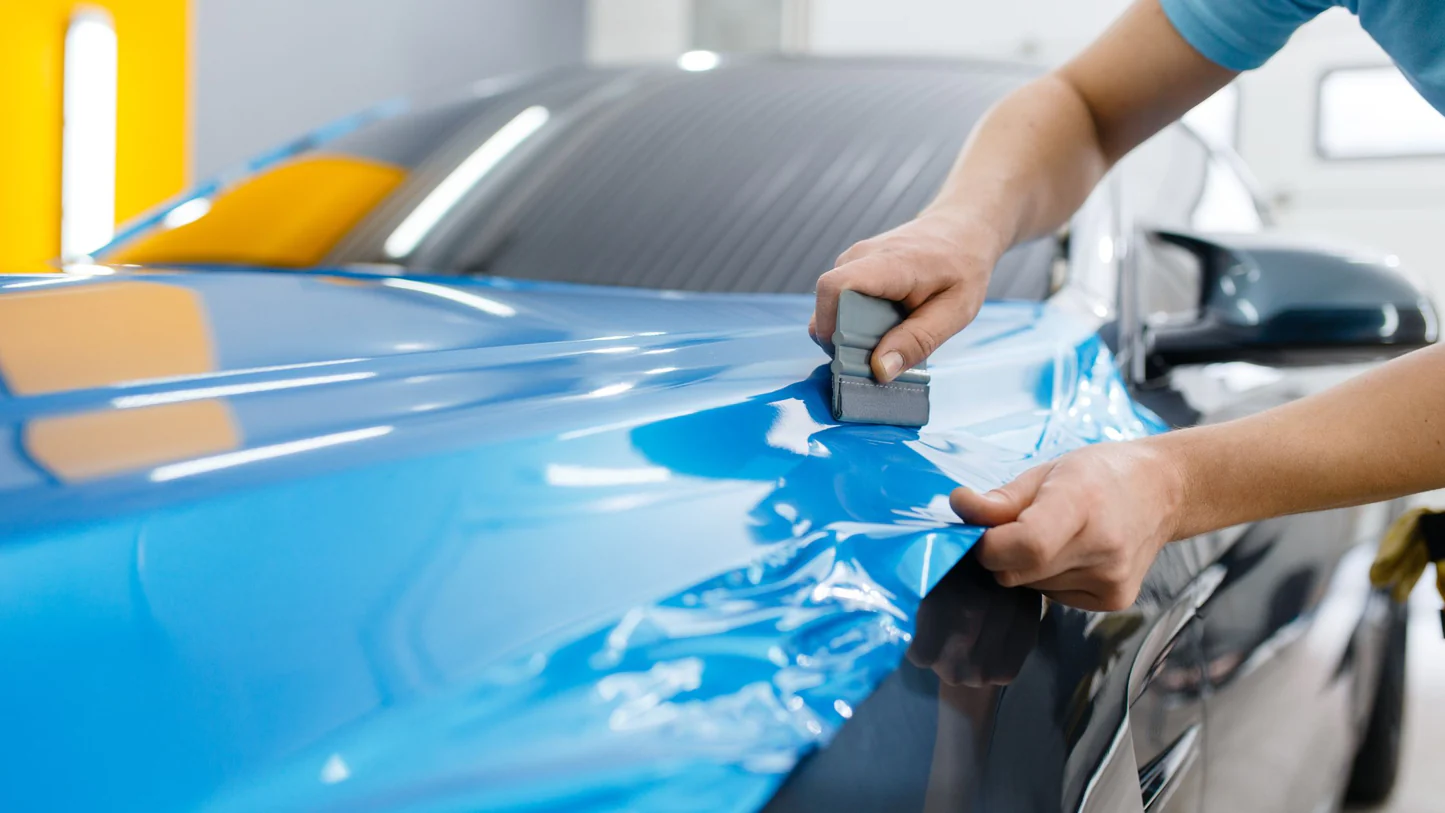

Choosing between a printed wrap and a color change film shapes everything that follows. The decision affects how your design reads at a distance, how the install is planned, what maintenance looks like, and how easy it is to repair later. Both approaches can deliver a premium finish when they are used for the right reason. This guide explains the differences with enough detail to make the right call for a single car, a small business van, or a full fleet.
What a printed wrap actually is
A printed wrap starts with a printable vinyl paired with a protective laminate. The art is produced on a wide format printer using solvent, eco solvent, UV, or latex inks. After curing, the print receives a clear laminate to protect color and add the desired sheen. You gain full control over imagery, patterns, gradients, and brand colors that cannot be achieved with plain films. You also add thickness from the laminate, which changes how edges and tight areas feel during install.
What a color change film delivers
Color change films arrive from the factory with the finish built in. Gloss, satin, matte, metallic, brushed, and specialty textures are baked into a cast face that is thin and conformable. There is no printed ink layer and no added laminate. The result is a clean, uniform surface that looks paint like and keeps maintenance simple. You trade away complex graphics in exchange for a refined, single tone or subtle texture.
Appearance and design freedom
Printed wraps win on creative range. Full photos, large gradients, faux textures, and multi color branding are all possible. You can fade a color across doors, route artwork across gaps, or place product images that read from across a street. Color change wins on purity. The face is even, the flake depth is controlled by the factory, and the finish looks intentional in any light. If the brief requires bold graphics or highly specific brand hues, printed is the correct tool. If the goal is a factory special vibe with perfect panel to panel consistency, color change is the cleaner option.
Color accuracy and uniformity
Printed wraps rely on profiles, ink sets, and curing for accuracy. When files and profiles are managed well, you can match Pantone targets closely. Over long runs or across multiple print days, you must control variables so the color stays consistent from panel to panel. Color change films arrive matched across the roll. If you need exact batch uniformity on multiple cars, buy enough material from the same lot so every panel reads the same. For show cars or luxury clients who notice subtle shifts, color change often gets the nod.
Installation differences that matter
Printed panels with laminate are slightly thicker and can feel stiffer over tight returns. They still conform when you respect limits and plan seams, but they reward measured heat and careful pressure to avoid haze in the laminate. Color change films are generally a touch more supple. That makes mirrors, spoilers, and deep bumper pockets easier to manage. Printed installs also demand exact panel alignment so artwork crosses doors and gaps correctly. Color change installs focus less on registration and more on clean edges, seam hiding, and symmetrical paneling.
Edge quality and seams
Both approaches can look flawless when edges are chosen well. Printed graphics add an alignment constraint. Seams must land where the design allows, not only where the body lines suggest. You may need to move a seam to preserve logo integrity or a gradient flow. Color change is freer. You place seams in shadows and natural breaks without worrying about splitting artwork. On both, smart use of knifeless tape and planned overlaps keeps paint safe and lines consistent.
Durability and maintenance
A printed wrap protected by a quality laminate stands up well to weather and washing. The laminate adds a sacrificial layer that takes the scuffs of daily use. However, heavy heat on install or aggressive chemicals in the field can haze certain laminates, so technique and aftercare matter. Color change films have the finish in the face, not in a laminated stack. They resist light marks, wash cleanly, and do not have an ink layer to protect. Maintenance is straightforward for both when you use pH neutral soaps, soft tools, and sensible drying. Matte and satin faces on either approach need gentle cleaners that preserve low sheen.
Longevity in real conditions
Printed and laminated projects last well when produced with reputable materials and cured correctly. Color change films also offer strong outdoor life with less thickness at edges, which can help on complex shapes. Sun, washing habits, and contaminants decide the final number more than the choice between printed and color change. A customer who washes by hand and removes bugs quickly will see years of clean service with either option.
Repairability and rework
Printed wraps require art files and color control to replace a panel later. If the vehicle has been in service for a year, UV fade and wear may make a fresh panel look slightly different unless you reprint a blending section. You can design around this by hiding blend seams where the eye expects shadow. Color change is simpler. You replace the panel from the same roll or a matching lot and the car is whole again. For fleets where bumps are expected, easy panel replacement is a real advantage.
Cost and value
Printed wraps add production steps. You pay for design time, printing, lamination, curing, and quality checks before the install begins. That cost delivers brand presence that cannot be duplicated with plain films. For local businesses, a printed partial or full wrap can be the highest value advertising they buy, measured by impressions per dollar. Color change removes production complexity. You pay for premium material and skilled install time, not for art and print. For personal vehicles and brand refreshes that do not require imagery, color change often balances budget and visual impact well.
Thickness, weight, and handling
Lamination adds thickness and a touch of weight. The difference is modest, yet you feel it at tight edges and compound curves. The thicker stack needs calmer heat and disciplined squeegee work to avoid micro haze. Color change feels lighter and more responsive at tips and deep returns. Your team can still move quickly with printed panels when glide, heat, and pressure are controlled, but planning is more demanding.
Finish choices and textures
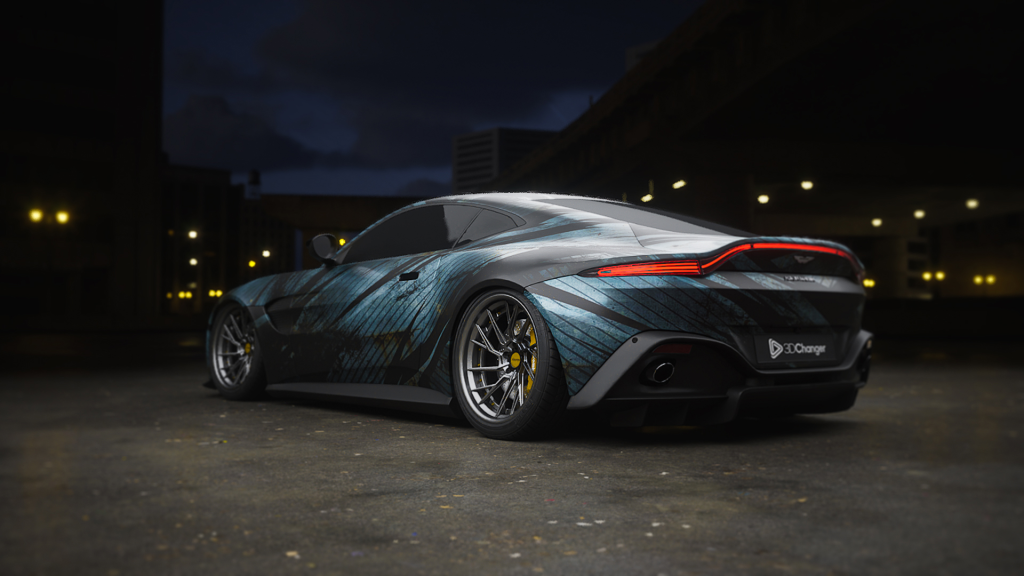
Printed wraps can simulate textures, though they remain smooth to the touch under the laminate. If the concept needs a tactile brushed finish, forged carbon look, or a particular satin that reads identically across all panels, factory textures in color change films have the advantage. The tactile result is real rather than printed. If the design depends on a specific photo or a brand pattern, printed takes the win.
Fleet branding and compliance
For fleets that must show specific brand colors, printed gives precise control across vehicle models and sizes. You can scale graphics and typography intelligently and keep messaging uniform. Color change is more about tone and presence than about strict brand standards. Some fleets pair a color change body with printed logos and stripes. This hybrid delivers the clean look of a single color field and the precision of printed marks where it matters.
Common pitfalls and how to avoid them
Printed projects fail when curing is rushed, profiles are ignored, or panels are misregistered during install. Give prints time to outgas when using solvent lines, keep profiles current, and run a small proof set before the full job. Color change projects stumble when deep geometry is forced into one piece coverage. Plan inlays and hide seams in body breaks. Both suffer when prep is weak or post heat is skipped on stretched zones. A disciplined routine prevents most issues before they start.
Budgeting and time planning
Printed wraps add a design and production phase to your schedule. Build time for proofs, revisions, and test prints. Large gradients or photographic art deserve a small test tile on the actual film and laminate so expectations match. Color change skips those steps and moves directly to mapping, cutting, and install. If the schedule is tight and the look can be achieved with a catalog finish, color change speeds delivery.
Use cases that guide a clean choice
A bakery van that needs product photos, contact details, and a bold color block to stand out in traffic belongs in the printed column. A personal coupe that needs a satin transformation with clean edges across mirrors and bumpers belongs in the color change column. A tech startup that wants a restrained fleet look might choose a color change body in a brand adjacent tone with printed door logos for clarity. A race program that needs consistent numbers, sponsors, and patterns across multiple chassis will find printed far easier to standardize.
A simple decision checklist
Confirm the visual goal. If imagery or gradients are non negotiable, select printed. If purity and a paint like read are the target, select color change. Evaluate geometry. If the car has fierce recesses and tight tips, give color change extra weight. If the design must cross door gaps perfectly, allocate setup time and choose printed with careful registration marks. Consider repair. If panels will be replaced often, color change is faster to match later. If brand precision is the mission, printed keeps standards tight across the fleet.
The practical takeaway
Printed wraps are a design canvas that can carry photos, patterns, and precise brand marks with a protective laminate that defends color. Color change films are a refined, factory grade transformation with clean handling and simple maintenance. Match the method to the message, to the geometry on the vehicle, and to how you plan to maintain or repair the finish later. When those choices line up, the result looks intentional, installs move smoothly, and the finish stays convincing long after the first wash.