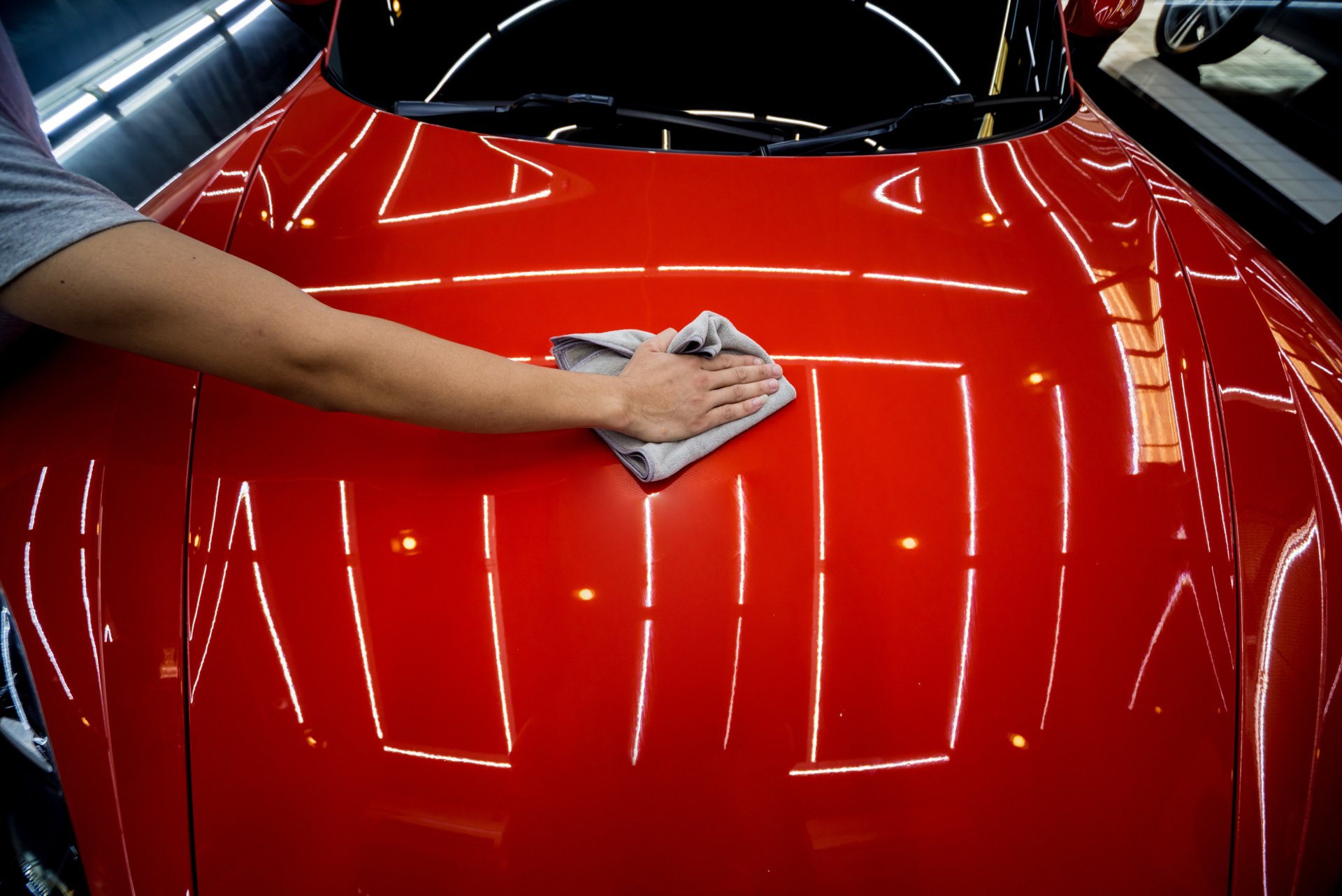

When customers ask which option keeps a vehicle looking newer for longer, the conversation often circles around two choices. Paint protection film and ceramic coating are both trusted finishes, yet they solve problems in very different ways. The right recommendation depends on how the car is driven, what the owner expects, and how much long term protection matters. Understanding the strengths and limits of each system helps you point customers toward the right investment.
What paint protection film actually does
Paint protection film is a clear polyurethane film that absorbs physical impact and resists scratching. The material has a soft, flexible structure that allows it to stretch over complex panels while providing a sacrificial layer above the clear coat. When rocks, sand, or road chips hit the front end, the film absorbs the strike. Instead of leaving a crater or broken clear coat, the impact bruises the film surface. The paint stays safe beneath it.
How self healing works
Modern films contain elastomeric polymers that return to their natural shape when warmed. Light swirls, washing marks, and minor scuffs relax and fade when the film sees sunlight or controlled heat. The process is not magic. It is simply the material returning to the state it was formed in. This characteristic is one of the reasons film stays looking smooth even after repeated washes and highway trips.
Where PPF performs best
PPF dominates in high impact zones. The front bumper, hood, fenders, rocker panels, door edges, and luggage loading zones all benefit from a thicker, impact absorbing barrier. On cars that sit close to the ground or on vehicles driven long distances at high speed, the difference is dramatic. The reduction in stone chips alone often pays for the installation. For owners who keep cars for years, the ability to polish or correct original paint later is a major advantage.
What ceramic coating brings to the surface
Ceramic coating forms a hardened, glass like layer that bonds to clear coat. It is thin, measured in microns, but provides strong chemical resistance and a slick surface that repels dirt, water, and traffic film. The coating fills microscopic pores in the clear coat, creating a smooth surface that sheds contaminants. Water beads, grime slides off more easily, and washing becomes faster with less physical contact.
Why ceramic coatings shine
Coatings improve gloss and color depth. They protect against stains from bird droppings, bugs, tree sap, and road film by slowing chemical etching. They also resist UV damage that can fade paint over time. Unlike waxes or polymer sealants, ceramic coatings last far longer. With correct wash habits, a coating can provide two to five years of protection depending on the product tier.
Where coatings are strongest
Coatings are not built to stop rock chips. Their strength lies in surface preservation and easy maintenance. A coated vehicle stays cleaner between washes and requires less agitation to look fresh. This reduces the risk of wash induced marring. For customers who want high gloss and consistent surface behavior across the entire car, a coating is ideal.
Direct comparison: PPF vs ceramic coating
Impact and scratch resistance
PPF wins this category without question. The film absorbs energy from gravel strikes, parking lot rash, and debris from highway shoulders. Ceramic coatings resist light wash marks but cannot stop a rock traveling at speed. When customers ask for peace of mind at the front end, the conversation always leans toward film.
Chemical and UV protection
Ceramic coatings resist stains and prevent chemical etching more effectively than bare paint. PPF also carries UV stabilizers but focuses more on physical defense than chemical resistance. A coated surface fights the effects of acid rain, mineral deposits, and insect remains for longer before etching becomes visible.
Finish and appearance
A coating boosts gloss across the entire vehicle. The surface looks deeper and stays cleaner because dirt finds little to cling to. PPF maintains clarity, but it does not increase gloss to the same degree unless a gloss enhancing top coat is included. Some customers prefer matte PPF for a satin finish, which coatings alone cannot replicate.
Maintenance habits
Coated cars wash quickly. Dirt releases with gentle passes because the surface is smooth and hydrophobic. Film requires careful washing, but high quality PPF is also hydrophobic due to modern top coats. The difference is that coatings focus entirely on slickness while film focuses on protection. Both reduce effort compared to untreated paint, but coatings feel more dramatic during rinsing and drying.
Lifespan and replacement
Well installed PPF can last five to ten years depending on brand, climate, and washing routine. Coatings last two to five years. When film ages, it is removed and replaced. When coating ages, it is polished away and reapplied. Replacement cost favors coatings, but total protective value favors film.
Coverage approach
Coatings cover every painted panel, which provides a unified look. Film is often installed selectively on the front end, rockers, and high impact areas to balance cost. Full body film exists and offers unmatched protection, but the investment is higher. Many customers choose a hybrid solution because coverage can be tailored to driving style.
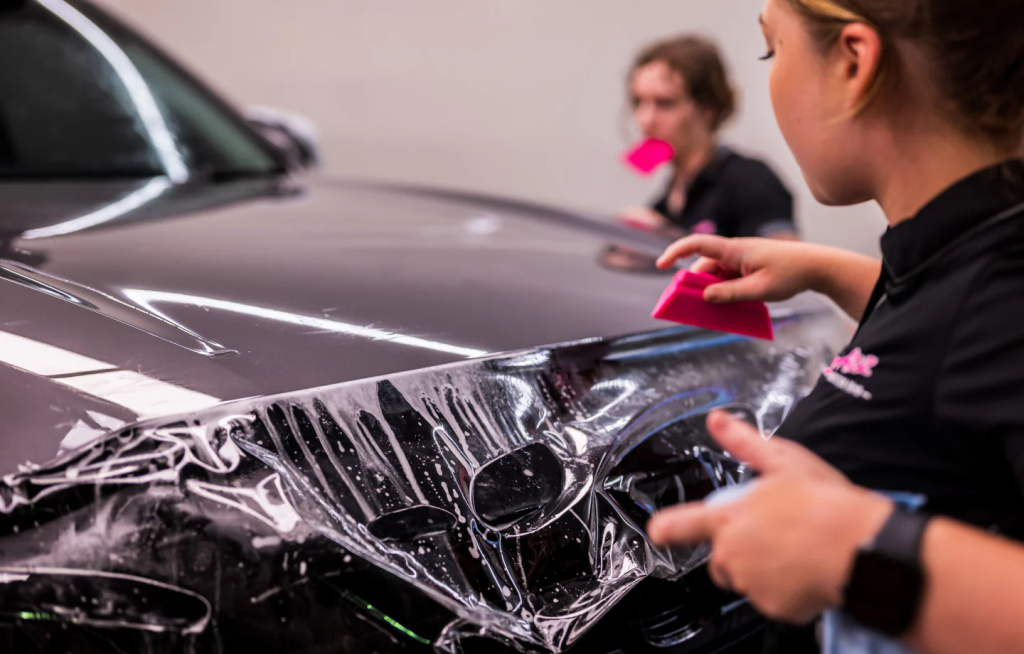
The hybrid approach that customers appreciate
Shops often recommend a combination of film and coating because the two products solve different problems. The idea is simple. Use PPF on areas that take abuse and use ceramic coating everywhere else to improve surface behavior.
Typical hybrid layout
Bumper, hood, fenders, mirrors, rockers, and door edges receive PPF. The entire vehicle, including the film, receives a ceramic coating. This pairing gives the owner strong impact protection and a consistent, easy to wash surface. It also keeps cost reasonable compared to wrapping the entire car in film.
Why the combination works
Film absorbs physical strikes and resists swirls. Coating improves shine and makes maintenance easier. Each layer reinforces the other. The vehicle stays cleaner, the front end resists chips, and the owner enjoys the reduced wash effort that coatings are known for. This approach is ideal for daily drivers and for customers who plan to keep the car for several years.
Setting the right expectation for customers
Some customers come in thinking coating will stop rock chips. Others think PPF will give the same glossy richness as a coating. A clear explanation prevents misunderstandings.
PPF protects paint from physical damage. Ceramic coating protects paint from chemical damage and makes washing easier. One is a shield. The other is a surface upgrade. When customers understand the difference, the decision becomes straightforward.
Which option you should suggest
For drivers who commute on highways, live in rural areas with loose gravel, or own sports cars with low front ends, PPF provides the biggest return. For owners who care most about shine, color depth, and wash time, coating is a great fit. For customers who want both protection and beauty, the hybrid method is the cleanest answer.
Final takeaway
Paint protection film and ceramic coating are not competing products. They are complementary tools. Film defends the bodywork from physical harm. Coating enhances shine and makes maintenance effortless. When you match the product to the driver and the car, the finish stays newer for longer and customers return with trust, not disappointment.