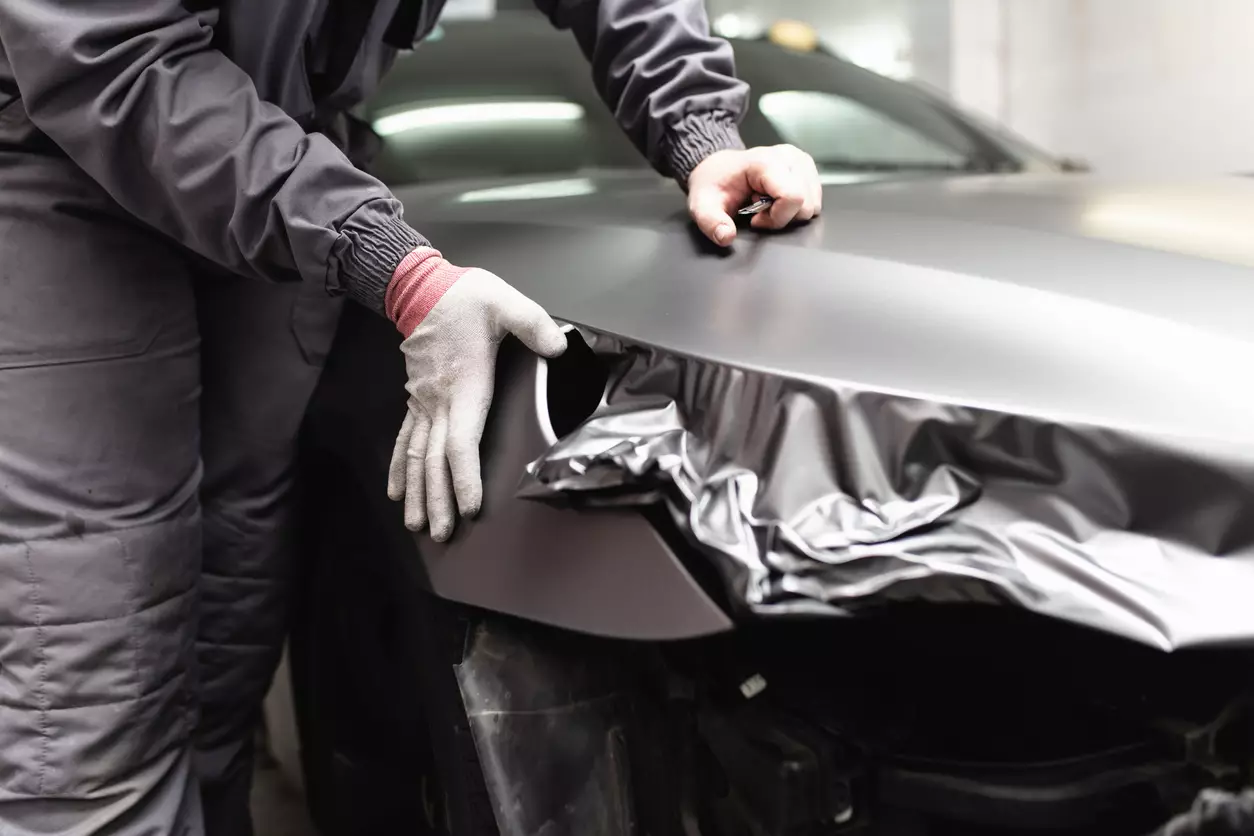

Shops learn quickly that paint protection film can be installed two very different ways. Bulk PPF stretches and trims film on the vehicle for a custom fit. Pre-cut patterns arrive from software and plotters sized to the panel with edges, sensors, and badges mapped in advance. Both methods can deliver clean results. The right choice depends on the panel geometry, your production schedule, your team’s skill, and how you want edges to look a year from now. This guide lays out the tradeoffs so you can choose with confidence, and explains when a hybrid method is the most profitable answer.
What bulk install really means
Bulk installation uses uncut film laid directly on the panel, shaped with slip solution, and trimmed on the vehicle. The appeal is control. You can wrap edges deeper, delete seams the template might place, and tailor reliefs to exactly where the body curves. When handled well, bulk looks seamless and factory calm.
Where bulk shines
Bulk excels on complex bumpers, sharp returns, spoilers, and mirrors where templates often compromise. You can wrap around tight tips, push coverage beyond the edge, and hide cuts under trim. For custom cars and odd trims with no reliable pattern, bulk is the only practical route.
Risks to manage with bulk
The blade is on the vehicle. That raises liability if habits are sloppy. Bulk also invites overstretch if patience or temperature control is off. Stretch marks telegraph as slight texture or clarity shifts, especially on dark paint. Success depends on measured heat, controlled pull, and clean knifeless technique for any visible seams.
What pre-cut kits really are
Pre-cut systems combine pattern software, updated databases, and a plotter. The pattern includes edges, sensor holes, tow hook doors, washer nozzles, and parking sensors mapped for a specific year and trim. You mount, align by reference points, and squeegee. Trimming on paint is minimized or eliminated.
Where pre-cut shines
Kits accelerate volume work on hoods, fenders, doors, and most roofs. They standardize output across installers, which is ideal for fleets and dealer programs. They reduce risk near paint and speed training for newer techs. For vehicles with many sensors, patterns avoid guessing around radar windows and cameras.
Limitations to plan around
Every template makes assumptions about panel growth and edge wrap. If a client wants deep tucked edges or deleted reliefs that the pattern expects, you may see micro shortfalls at the extreme edge. Some bumpers still need inlays. Older or uncommon trims may have soft template coverage or require edits.
Accuracy, fit, and the look of edges
Edge presentation is often the customer’s lasting impression. Bulk gives you the option to fully wrap or to push just beyond the break so edges sit out of the airstream. Kits often leave a fine reveal line unless you select extended or wrapped edge templates and add small adjustments. On white and silver paint the reveal is subtle. On black paint or on a car that will wear ceramic coating over film, hidden edges usually read cleaner. If your market values invisible protection, plan to bulk or to modify patterns for wrapped edges on high visibility panels.
Speed, scheduling, and consistency
Pre-cut kits win on predictable time. You can schedule more cars per day and quote tighter appointment windows. Bulk can be quick in master hands, yet time moves with complexity and installer feel. If your business model favors consistent throughput with different techs touching the same job, kits usually win. If your brand sells boutique results, bulk or a hybrid method helps you keep that promise.
Risk, liability, and warranty posture
Working blades near paint introduces risk. Skilled bulk installers cut on tape, use knifeless filament, and trim on lifted film to avoid contacting clear coat, but the risk is not zero. Kits reduce that exposure, which simplifies warranty discussions with dealers and insurers. If a large share of work arrives through dealer portals or insurance programs, pattern-first policies align with their expectations.
Tooling, software, and costs
Kits require software subscriptions, periodic pattern updates, and a reliable plotter with sharp blades. You still need bench space and labeling routines. Bulk relies more on installer skill, knifeless tapes, steady hands, and careful heat control. Material waste differs. Bulk can create trimmed strips on the bench. Kits can waste where the pattern leaves negative space on the roll. In practice, your cost per job is more sensitive to rework and speed than to a few extra feet of film.
Training curve and staffing
Kits help new installers succeed faster. Alignment, pressure, and bubble clearing can be coached while risk stays low. Bulk takes longer to master. Reading tension, staging pulls, and making safe relief cuts are learned arts. Many shops train with kits on hoods and doors, then introduce bulk on mirrors and simple bumpers under supervision. A laddered training plan builds capacity without risking paint.
Slip solution, stretch, and optical clarity
Whether bulk or kit, your slip solution and heat habits decide clarity. Too much surfactant floats film and slows tack. Too little creates drag and micro silvering. Bulk adds a stretch variable. Pull with intent and use warm shaping rather than aggressive tugging. If fingers appear, relax the area with gentle heat and re-set, do not yank. On kits, avoid forcing the last millimeter of reach if a pattern sits slightly short. A tiny, hidden micro-edge with calm tension beats a stretched and hazy lip.
Bumpers, mirrors, and other hard shapes
Bumpers are where methods separate. Many patterns split a bumper into zones with seams placed in shadow lines. That keeps tension low and preserves clarity. If your client insists on one-piece bumper coverage and the shape is aggressive, bulk is realistic only if your team can stretch without haze and knows where to add small inlays. Mirrors often favor bulk because templates can land short on certain caps and returns. Test fit patterns and keep bulk as a backup.
Sensors, radars, and compliance
Modern cars hide radar behind fascias. Film can attenuate signals if the wrong zone is covered. Good pattern libraries leave radar windows open or specified. Bulk demands research and restraint. Mark sensor zones before you lay film and avoid wrapping over them. The same care applies to parking sensors, washer jets, and tow hook covers. Cutting clean circles on paint is avoidable with knifeless and smart pattern edits, yet the safest path is a pattern that accounts for them.

Hybrid methods that raise results
Most high performing shops mix methods. Use kits for large flats and predictable panels. Bulk or modify patterns for bumpers, mirrors, and tight returns. Extend edges on a hood template by a few millimeters and hand finish the last wrap under the hem. Run a pre-cut door with a custom relief around a unique moulding. This hybrid approach keeps throughput high while giving you custom edges where eyes linger.
Shop profiles and the best fit
A boutique, appointment-only studio with clients who ask for invisible protection often prefers bulk on fronts and wrapped-edge templates everywhere else. A dealer-focused operation that promises next-day delivery will favor pattern installs that new techs can turn consistently. A mobile installer working in varied spaces will lean on kits for predictability and reserve bulk for the handful of shapes that need it. Match method to your market and your staffing, not to internet debates.
Pricing, quotes, and expectation setting
Explain options in clear language. Pattern install offers speed and paint safety. Bulk offers deeper wraps and fewer reveals. Both protect the paint. Price bulk fronts higher where the time is real. List hybrid packages, for example full front with bulk bumper and wrapped hood edges, then patterns on fenders and mirrors. Clients understand value when you point to specific edges and show why your plan keeps them clean.
Quality checks and delivery
Regardless of method, the checklist is the same. Inspect edges under bright light. Warm and seat any zones that saw stretch, especially at tips and recesses. Check alignment on pattern seams and ensure reliefs around sensors are clean and even. Wipe away slip residue from panel gaps so it does not wick back during the drive home. Share aftercare instructions and invite a quick follow up visit within a week for a touch if a tiny corner settles.
A simple decision framework
Ask four questions for every panel. How complex is the geometry. How visible is the edge. How sensitive is the paint or the liability environment. How consistent does your schedule need to be this week. If geometry is high and the edge is visible, lean bulk or hybrid. If liability and throughput matter most and the edge sits in a shadow, lean kit. If both are true in different places on the same car, split the job method by panel.
The practical takeaway
Bulk PPF and pre-cut patterns are not rivals, they are tools. Bulk offers custom edges and creative control on difficult shapes. Kits offer speed, repeatability, and low paint risk on predictable panels. A hybrid plan, supported by good slip technique, careful heat, and disciplined post-install checks, gives you the best of both. Choose the method that fits the panel and the promise you made to the customer, and your installs will look quiet, protect well, and hold up through seasons of weather and washing.